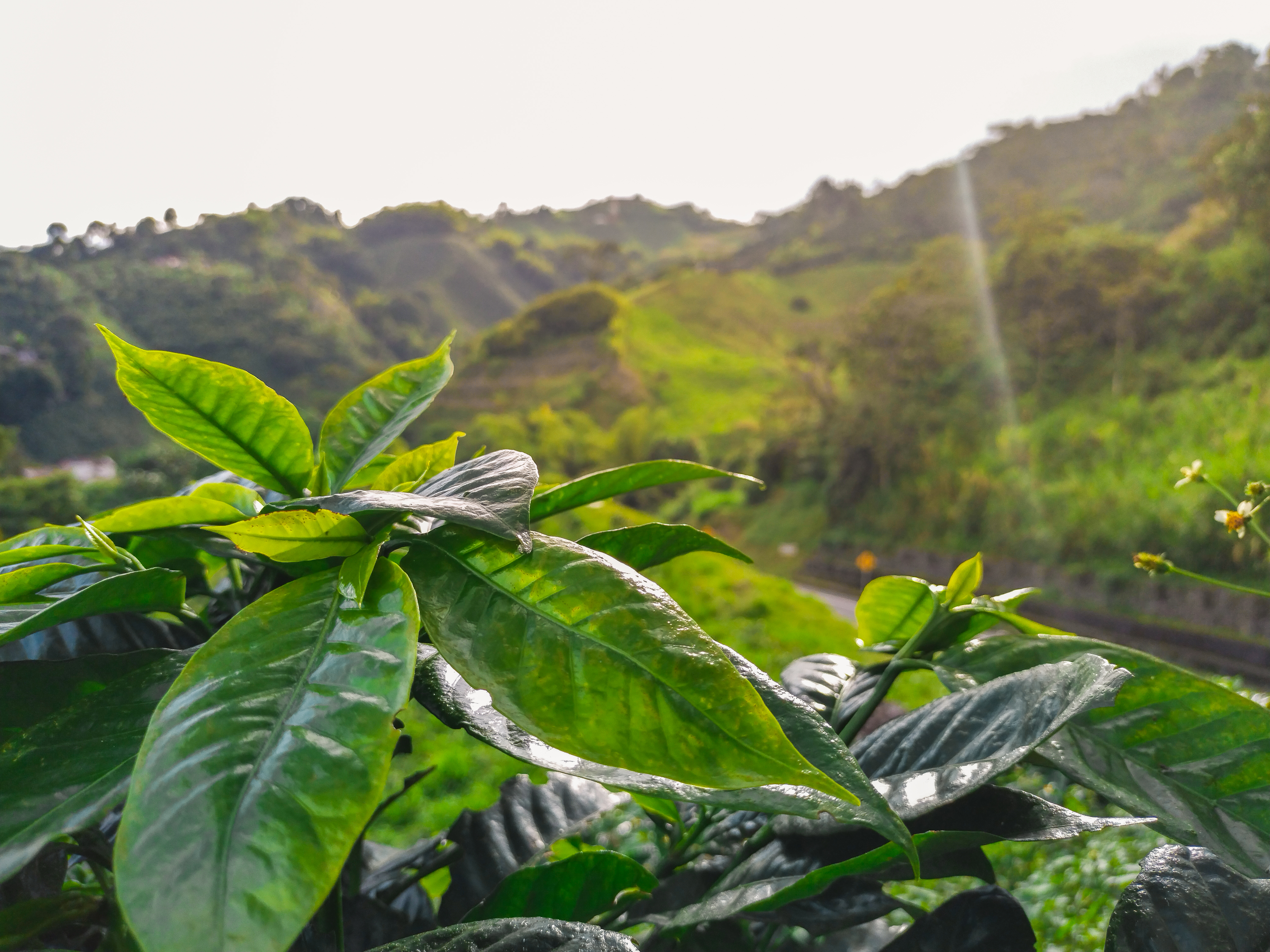
Every bag of Marcelino’s Coffee starts long before roasting — it starts with the coffee cherry harvest on our family farm, El Paraíso, in the mountains of Risaralda, Colombia. It’s slow, hands-on work, and it’s the single biggest reason our coffee tastes the way it does.
What Is the Coffee Cherry Harvest?
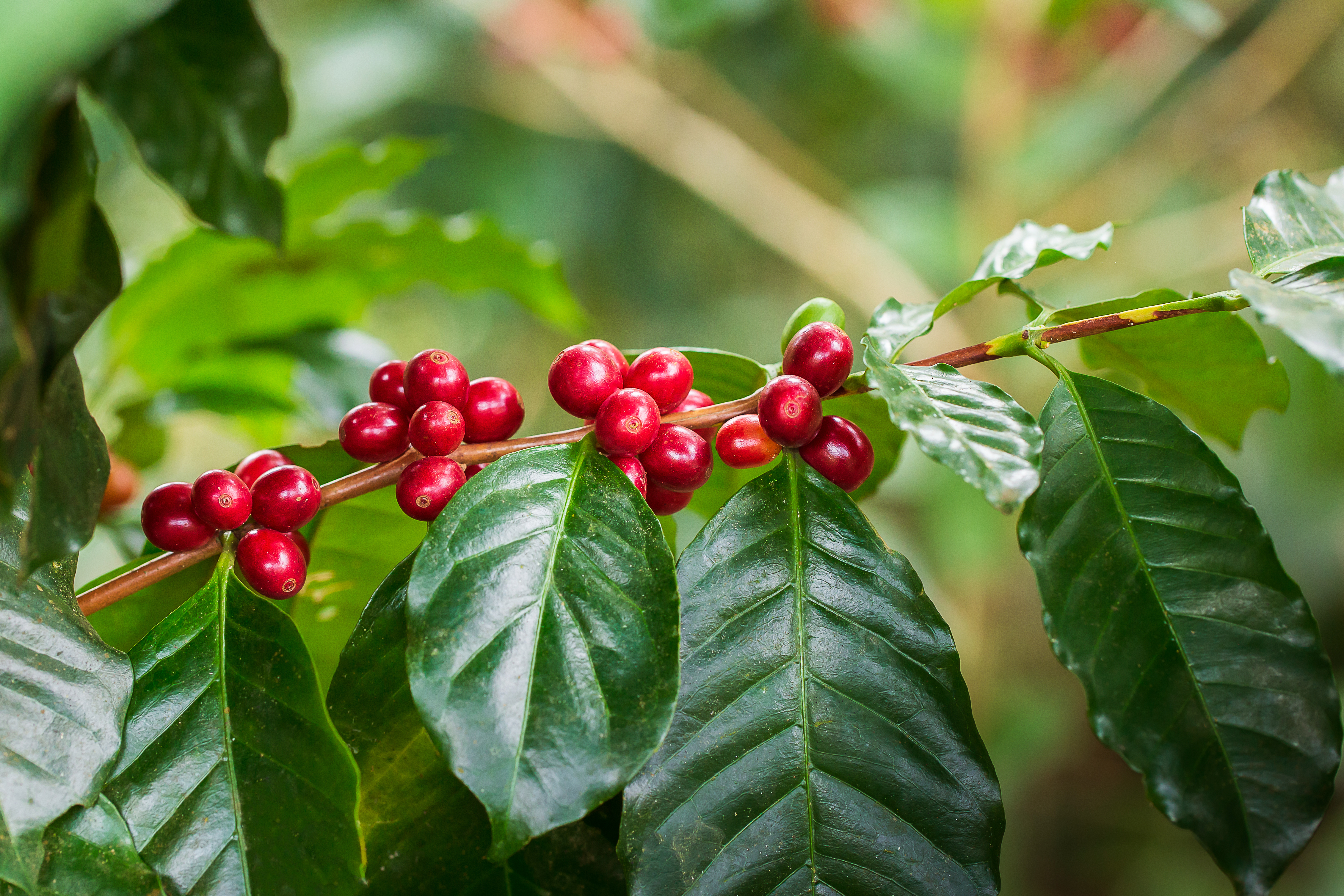
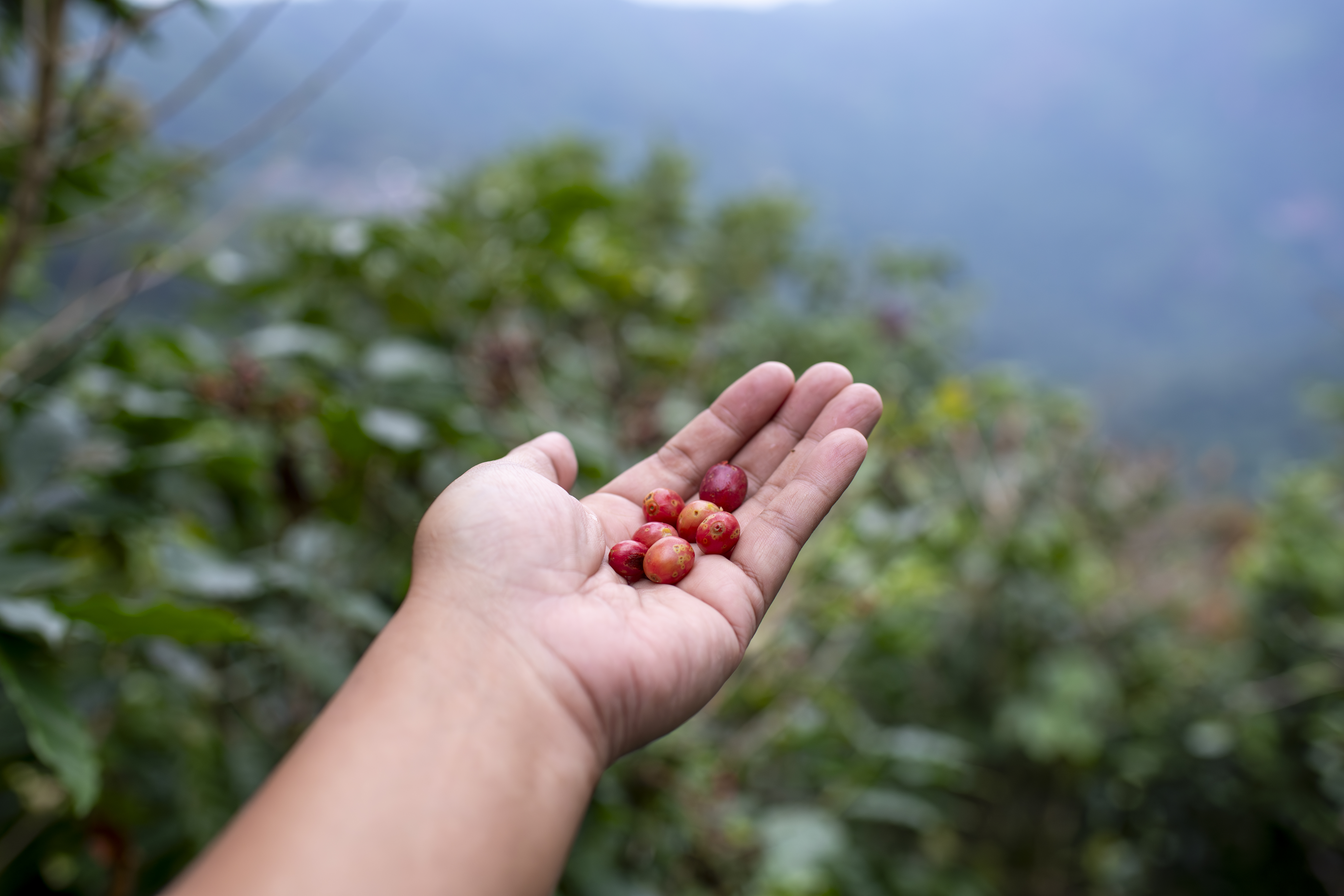
Coffee doesn’t start as a bean — it starts as a fruit. Each coffee tree produces small red cherries, and inside every cherry are the seeds that eventually become the beans you brew. The coffee cherry harvest is the process of picking those cherries once they’ve reached peak ripeness, which is the point where they carry the most natural sugars and the clearest flavor. Get this stage wrong, and no amount of roasting skill later on can fully fix it.
How We Harvest at El Paraíso
El Paraíso sits at 1,500–1,800 meters above sea level, in one of Colombia’s most important coffee-growing regions. At that altitude, cherries ripen slowly and unevenly — on the same branch, you’ll often find green, ripe, and overripe cherries side by side. That’s why our coffee cherry harvest isn’t a single event; it’s several passes through the same trees over a period of weeks, picking only the cherries that are ready that day.
We grow three varieties — Caturra, Castillo, and Colombia — and every cherry from all three is hand-picked at peak ripeness. No shortcuts, no machines stripping the branches bare. It’s the kind of work that only makes sense if you’re growing coffee to drink yourself, not just to sell in bulk.
Life at El Paraíso During Harvest Season

Harvest season has its own rhythm at El Paraíso. Days start early, while it’s still cool enough to move through the rows comfortably, and picking continues until the light starts to fade over the mountains. By the time evening comes, the day’s cherries are already sorted and ready for washing — nothing sits around waiting until tomorrow. The farmhouse lights stay on a little longer during these weeks, a small sign of just how much goes into every bag before a single bean is ever roasted.
Why Hand-Picking, Not Machines
Selective hand-picking takes more time and more labor than mechanical harvesting, and it costs more. So why do we still do it by hand? Because it’s the only way to make sure every cherry that goes into a bag of Marcelino’s Coffee is actually ready. According to the National Coffee Association, hand-picking remains the standard in most coffee-growing countries specifically because it lets producers pick only the ripest fruit — and ripeness is where flavor starts.
Picking too early means sour, grassy notes. Picking too late means overripe, fermented ones. Hand-picking is how we stay in that narrow window in between, cherry by cherry, tree by tree, all season long.
From Harvest to Your Cup
Once the cherries are picked, they don’t sit around — they go straight into full washing and sun-drying, preserving the natural characteristics of the bean instead of masking them. From there, we micro-roast in small batches, which is part of why this coffee scored 86 points on the Specialty Coffee Association’s cupping scale, with tasting notes of caramel, vanilla, chocolate, cinnamon, orange, almond, and hazelnut.
You can read more about that whole process, start to finish, on our About page.
Taste the Harvest Yourself
Every step of the coffee cherry harvest at El Paraíso exists for one reason: to get a better cup into your hands. Order your bag and taste the difference selective, hand-picked harvesting makes — or if you run a café, restaurant, or retail business, find out how to carry this coffee under your own brand.