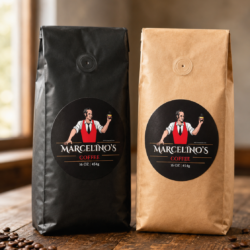
Colombian coffee tasting notes can sound like marketing when you first read them on a bag, caramel, vanilla, hazelnut, until you actually taste them in the cup. Here’s what each of the seven notes in this coffee actually comes from, and why they show up together.
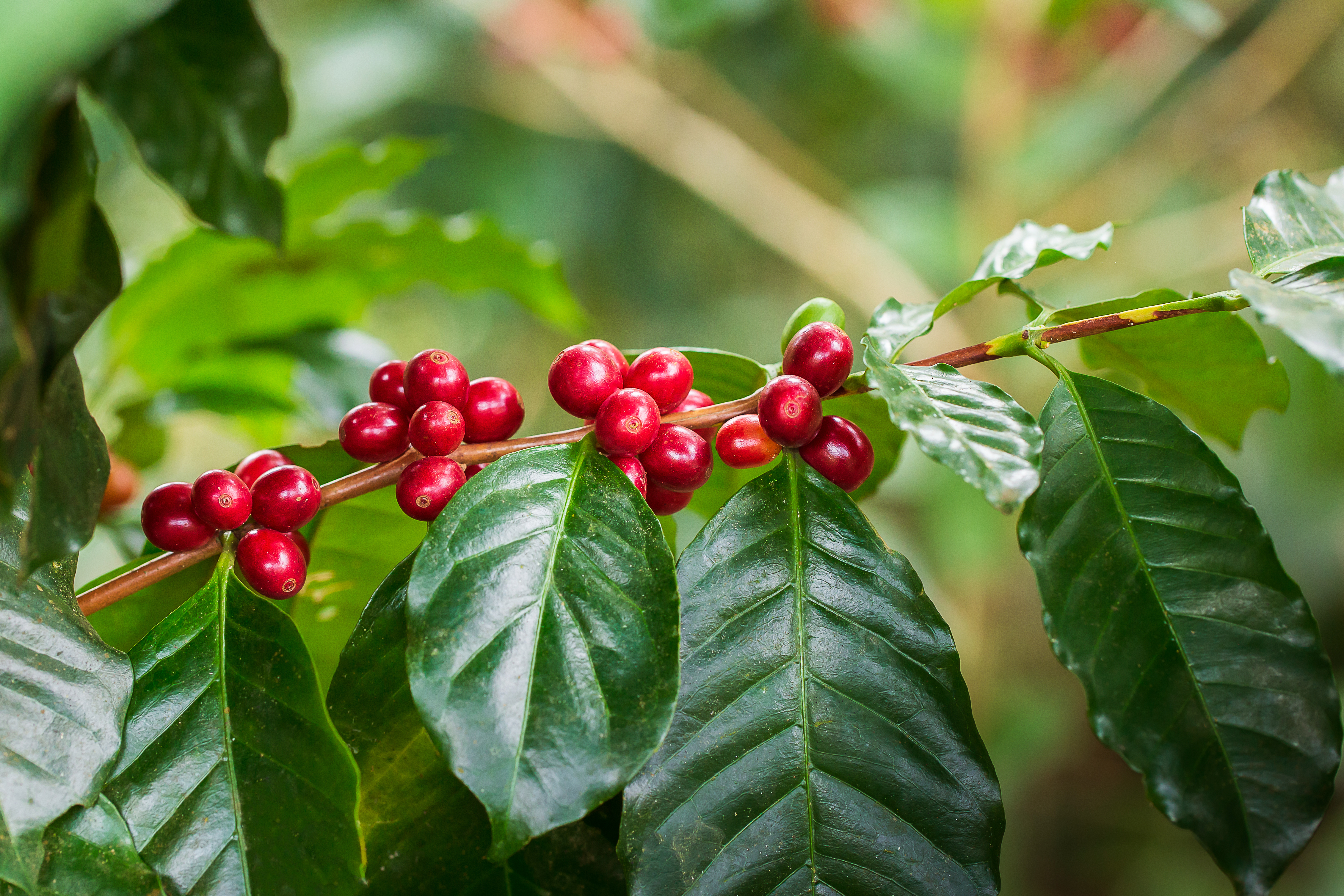
Where Colombian Coffee Tasting Notes Actually Come From
Tasting notes aren’t added, they’re already inside the cherry, shaped by altitude, soil, and variety, then drawn out by how the coffee is processed and roasted. This coffee is grown at 1,500 to 1,800 meters on El Paraíso, our family farm in Risaralda, using the Caturra, Castillo, and Colombia varieties. That combination of altitude and variety is a big part of why the Colombian coffee tasting notes here land where they do: sweet and rounded, not sharp or thin.
The 7 Colombian Coffee Tasting Notes in This Cup
Our coffee scores 86 points on the Specialty Coffee Association’s cupping scale, with primary notes of caramel, vanilla, and chocolate, complemented by cinnamon, orange, almond, and hazelnut. Caramel and vanilla tend to show up first, right on the front of the sip. Chocolate follows underneath, giving the body some weight. The cinnamon and orange notes are subtler, more of an aftertaste than a flavor you’d name blind, and the almond and hazelnut round out the finish. Reading a full list of Colombian coffee tasting notes can feel like a lot at once, but you don’t need to catch all seven to enjoy the cup, they just explain why it tastes layered instead of flat.
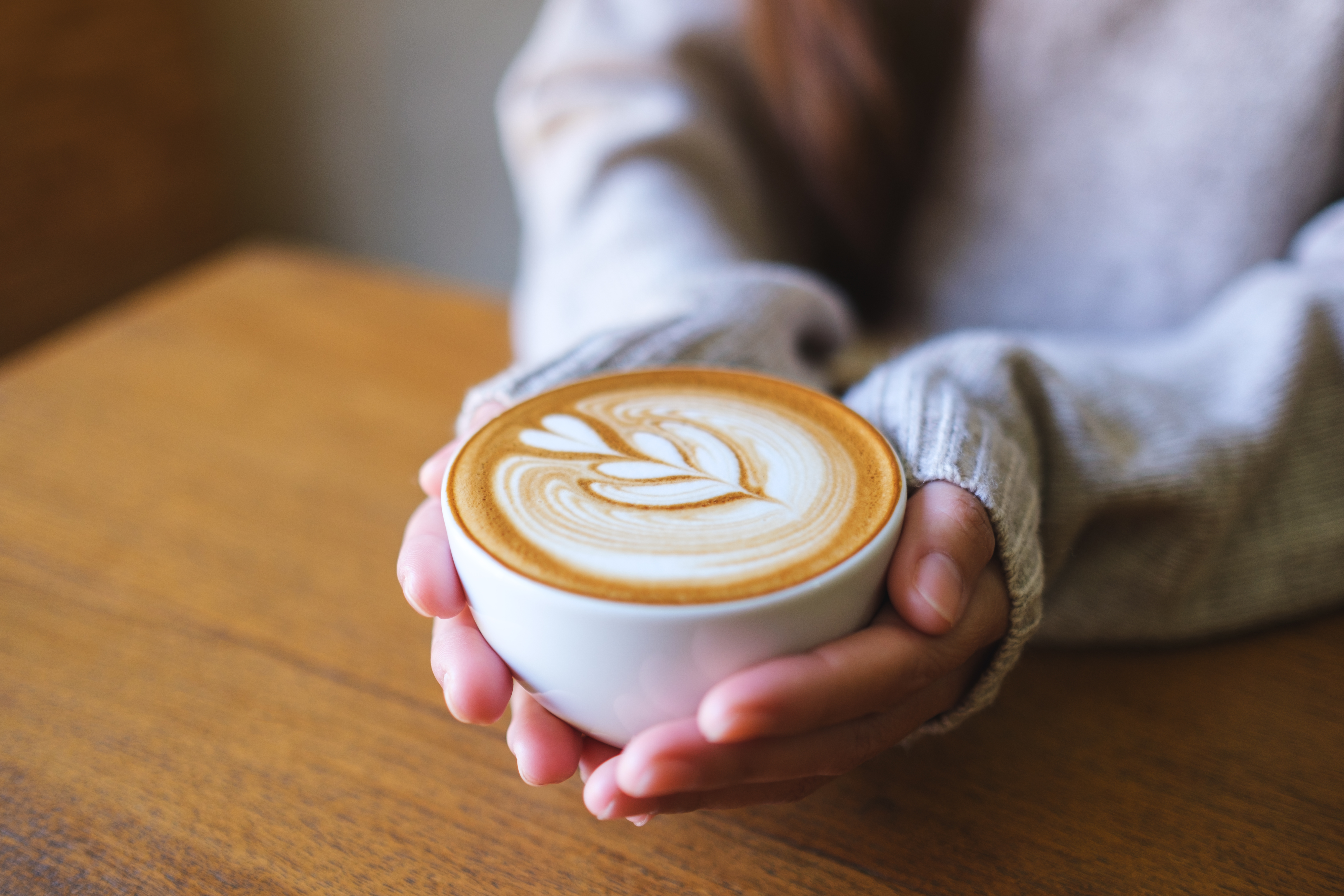
How Roast and Brew Method Change What You Taste
Tasting notes aren’t fixed once the coffee leaves the farm. This coffee is roasted to a single medium-dark profile, which is part of why the caramel and chocolate notes come through clearly while the subtler ones stay in the background instead of disappearing. Brew method matters too: a French press pulls more body and rounds out the chocolate notes, while a pour-over lets the brighter orange and cinnamon notes stand out more clearly. Same beans, same Colombian coffee tasting notes on paper, genuinely different cup depending on how you make it.
Why These Notes Matter Beyond Description
A cupping score and a list of Colombian coffee tasting notes aren’t just there to sound impressive. They’re a record of quality control: hand-picked cherries at peak ripeness, full washing and sun-drying, small-batch roasting close to harvest. Skip any of those steps and the flavor gets muddier, fewer distinct notes, more generic bitterness covering everything up. The complexity is evidence the process worked, not just a description written after the fact.
Taste Them for Yourself
Reading about Colombian coffee tasting notes only gets you so far, the rest is in the cup. Order your bag and see how many of the seven you can pick out, or read more about where they come from on our About page.