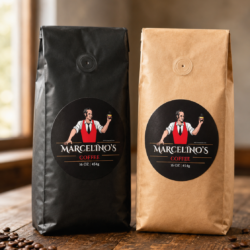
Sustainable Colombian coffee isn’t a marketing label at El Paraíso, it’s just how the farm has always worked. Here are 5 ways sustainability shows up in every bag, from the soil it’s grown in to the packaging it arrives in.
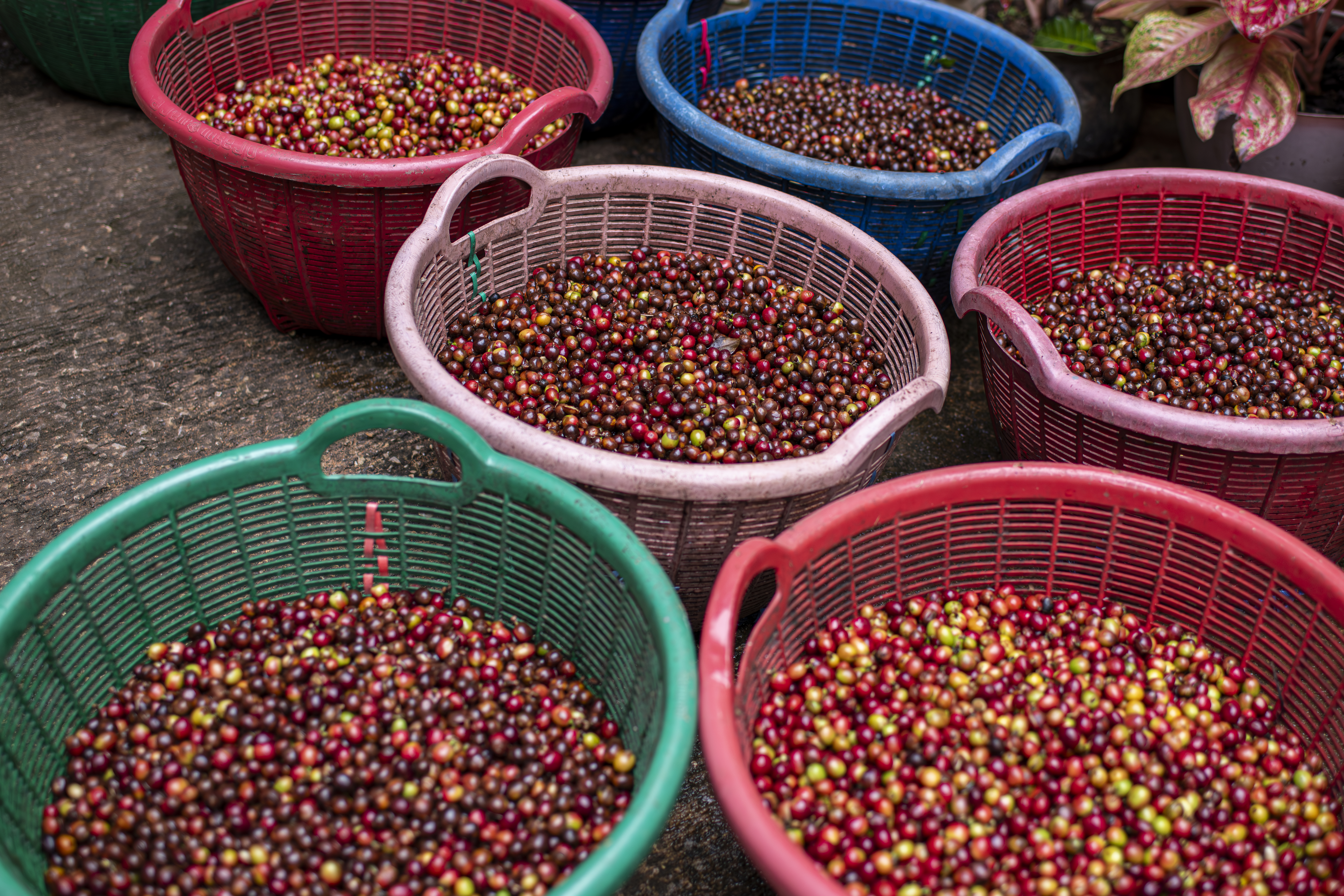
1. Sustainable Colombian Coffee Starts With How the Land Is Treated
Our coffee is grown using environmentally friendly, sustainable farming practices on El Paraíso, our family farm in Risaralda. That’s not an abstract claim: it means the same land keeps producing good coffee season after season instead of being pushed until it can’t. Organizations like the Rainforest Alliance point to exactly this kind of land management, protecting soil, water, and surrounding ecosystems, as the foundation of sustainable coffee farming anywhere in the world.
2. Water-Conscious Processing
After the cherries are hand-picked, they go through full washing and sun-drying. We pay attention to how much water that process uses, because water conservation is one of the biggest sustainability challenges in coffee processing generally. Sun-drying instead of mechanical drying also cuts down on energy use at this stage, letting the climate at 1,500 to 1,800 meters do the work instead of a machine.
3. Packaging That Actually Breaks Down
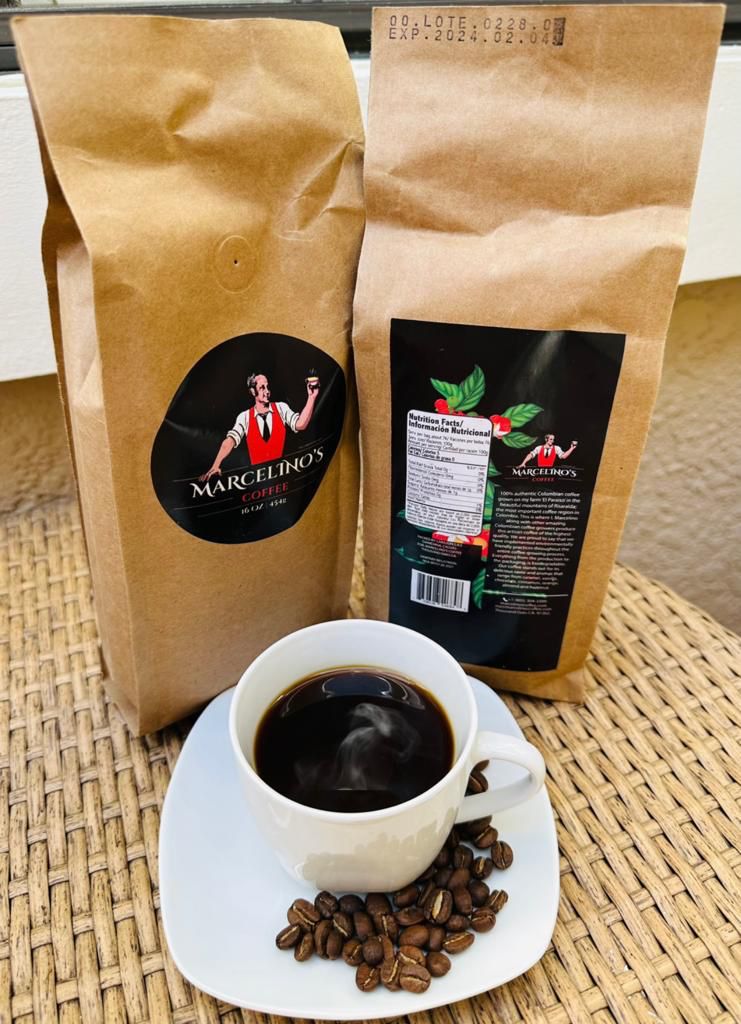
Our packaging is 100% biodegradable, made from sugar-cane bagasse instead of standard plastic-lined coffee bags. Most coffee packaging, even the kind that looks eco-friendly, still ends up in a landfill for decades. A truly sustainable Colombian coffee bag should disappear the same way the rest of the plant does, and that’s the standard we packed this coffee to.
4. Small Batches, Less Waste
We micro-roast in small batches instead of running large industrial roasts. Beyond freshness, small-batch roasting also means less overproduction and less unsold, wasted coffee sitting in a warehouse. It’s a smaller-scale way of running a coffee business, but it’s one that lines up with sourcing sustainable Colombian coffee in the first place: grow it carefully, roast it carefully, and don’t make more than what people will actually drink.
5. A Family Farm, Not a Supply Chain
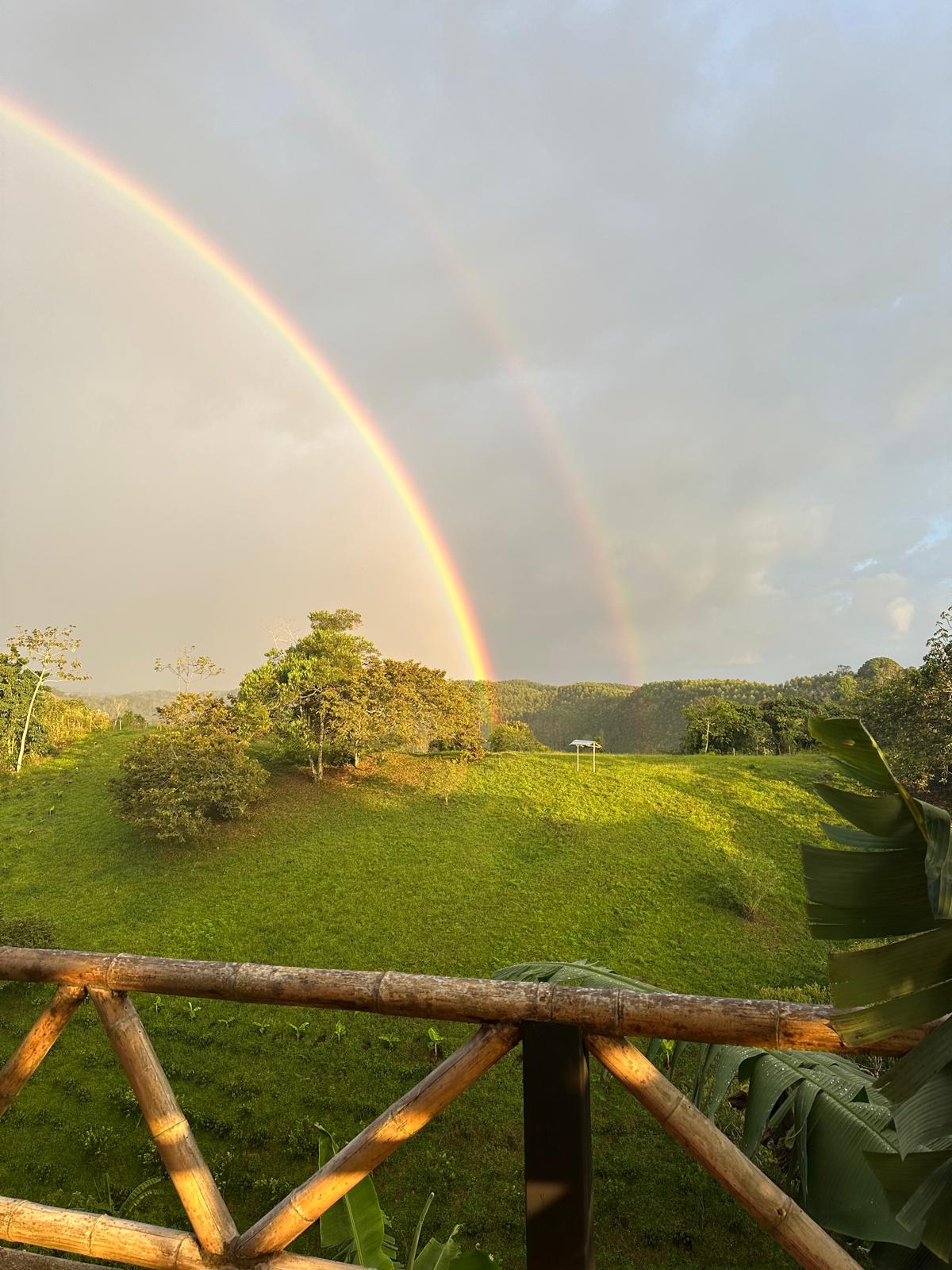
Sustainability in coffee usually gets talked about in terms of certifications and supply chains. At El Paraíso, it’s simpler than that: it’s Marcelino’s family farm, and there’s no incentive to run it in a way that won’t still be productive for the next generation. That direct connection, no layers of distributors between the farm and your cup, is part of what makes this sustainable Colombian coffee traceable in a way that’s hard to fake.
Why Sustainable Colombian Coffee Is Worth Seeking Out
None of these five practices exist in isolation. Sustainable land use, careful water use, biodegradable packaging, small-batch roasting, and direct family ownership all reinforce each other. Skip any one of them and the rest start to feel like marketing rather than practice. Together, they’re why we can call this sustainable Colombian coffee honestly, not just put the word on a label.
Taste It Yourself
The best way to see what sustainable Colombian coffee actually tastes like is to try a bag. Order yours today, or read more about the farm behind it on our About page.