You can source the best cherries, hand-pick at peak ripeness, and roast in small batches, but the last step still belongs to you. Here’s how to brew Colombian coffee to actually get the most out of it at home, whichever method you already own.
How to Brew Colombian Coffee: Getting the Basics Right
Before picking a method, two things matter more than any brewing trick: grind size and water temperature. Grind too fine for your method and the coffee turns bitter; too coarse and it tastes thin and sour. Water temperature matters just as much. According to the National Coffee Association, the ideal range for brewing coffee is between 195°F and 205°F, just below a full boil. Water that’s too hot scorches the grounds; water that’s too cool leaves flavor behind.
Once you have those two things dialed in, how you brew Colombian coffee comes down to which of these three methods fits your morning.
French Press
French press gives a fuller body with more oils for a rich, heavy cup. Because the grounds steep directly in the water with a metal filter, none of the natural oils get trapped the way they do with paper filters. Use a coarse grind, water around 200°F, and let it steep about 4 minutes before pressing slowly and evenly. This method leans into the caramel and chocolate notes in this coffee, and it’s usually the most forgiving method for anyone still learning how to brew Colombian coffee at home, since there’s no pouring technique to master.
Pour-Over
Pour-over produces a cleaner, brighter cup that highlights delicate notes. The paper filter catches the oils that French press keeps, so what comes through is lighter and more precise: brighter acidity, clearer definition between the vanilla and citrus notes. Use a medium grind and pour slowly, in stages, keeping the water in that same 195 to 205°F range. It takes a bit more attention than French press, but it’s worth learning if you want to taste this coffee’s full range of flavor notes one at a time.
Espresso
Espresso is brewed under pressure for a concentrated, intense shot. It needs a fine grind and roughly 30 seconds of contact time to pull a proper shot. Because it’s so concentrated, espresso is where the medium-dark roast really shows off: less brightness, more body and depth. If you already own a machine, this is often the fastest way to taste why roast level matters so much in how this coffee turns out cup to cup.
Why the Roast Matters When You Brew Colombian Coffee
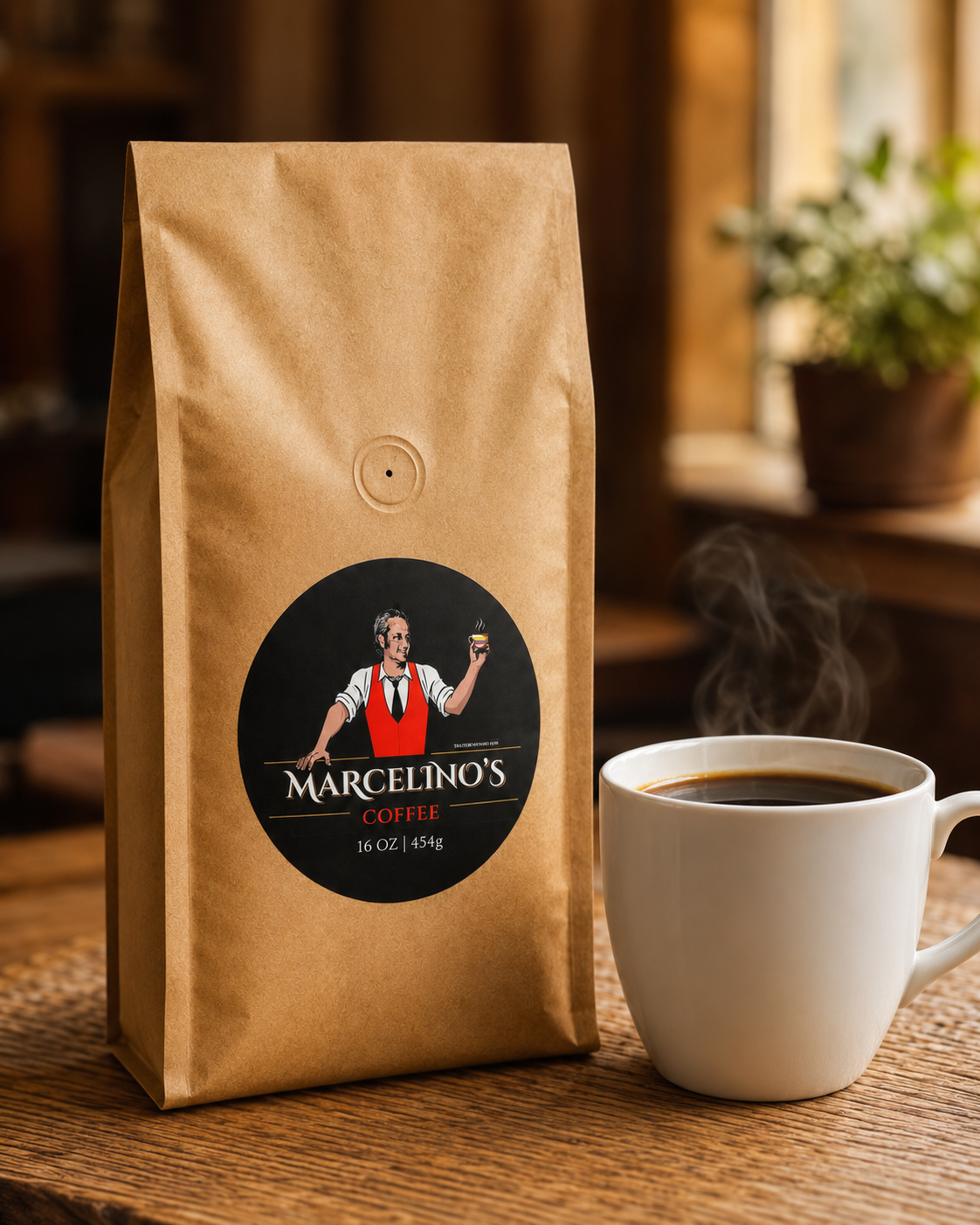
This coffee is roasted to a single medium-dark profile, which is part of why it plays well across all three methods above. Roast too light and French press can taste sour; roast too dark and pour-over loses the origin character entirely. Medium-dark sits in the middle, which gives you more room to experiment with method without losing what makes this coffee taste like itself. That’s really the short answer to how to brew Colombian coffee well: match your method to a roast that can handle it, and this one can handle all three.
A Few Small Things That Make a Big Difference
Beyond method, grind, and temperature, two habits separate a good cup from a great one. First, grind right before brewing instead of days ahead; ground coffee loses aroma fast. Second, use filtered water if you can. Since coffee is mostly water, anything off in your tap water shows up in the cup, no matter how well you’ve dialed in everything else.
Try It Yourself
The best way to know how to brew Colombian coffee for your own taste is to actually make a few cups and compare. Order your bag and try more than one method, or check our FAQ for a few more brewing tips.